
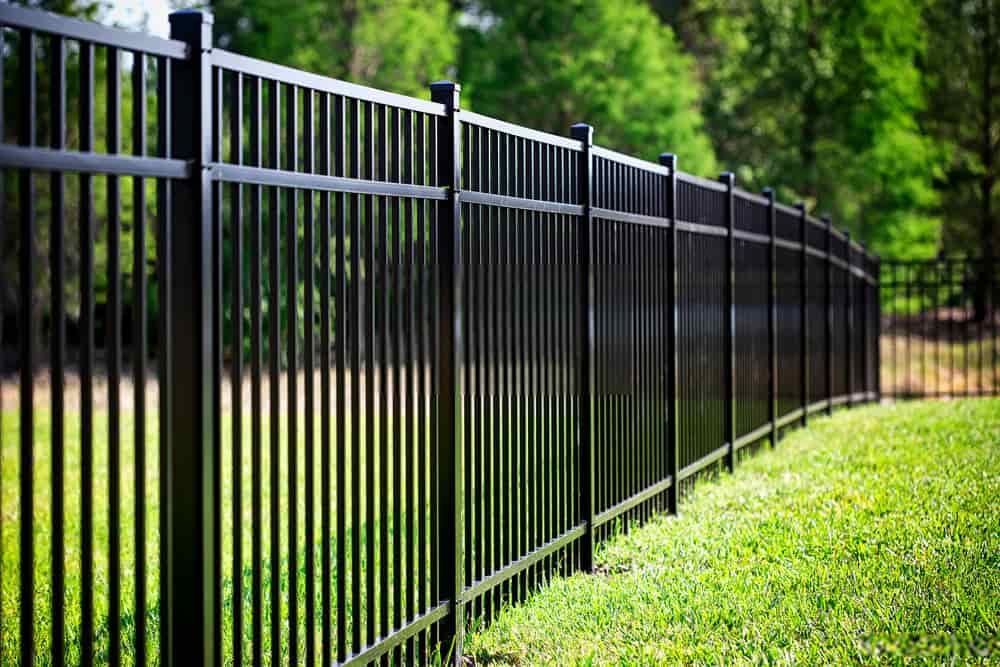
Residential fencing has moved far beyond the simple goal of marking property lines. In 2026, fences are expected to blend technology, sustainability, and aesthetics to create outdoor spaces that feel private, stylish, and functional. Homeowners are treating fences as design features rather than afterthoughts, and manufacturers are responding with innovative materials and smarter construction methods. Below are the leading trends shaping residential fencing this year and what they mean for modern homes.
1. Sustainable and Eco-Friendly Materials
Environmental awareness continues to influence home improvement choices, and fencing is no exception. Recycled composite boards, reclaimed wood, and sustainably sourced bamboo are becoming mainstream options. These materials reduce the demand for new timber while offering impressive durability. Many composites now mimic the warmth of natural wood without the maintenance challenges, making them appealing to busy homeowners.
Another growing practice is the use of locally sourced materials to reduce transportation emissions. Consumers are asking contractors where their fencing comes from and how it is produced. This shift suggests that the value of a fence is no longer measured only by appearance and price, but also by its environmental footprint.
2. Minimalist Lines and Contemporary Profiles
Design tastes are leaning toward clean, architectural simplicity. Horizontal slat fencing, slim metal frames, and monochrome color schemes are replacing the ornate picket styles of the past. These streamlined designs complement modern home exteriors and create a sense of calm continuity between indoor and outdoor spaces.
Black powder-coated aluminum and matte charcoal finishes are especially popular. They provide a neutral backdrop for landscaping and outdoor furniture while giving properties a high-end look. The minimalist trend reflects a broader desire for outdoor areas that feel intentional rather than cluttered.
3. Smart Fencing Technology
The idea of a “smart home” is extending to the perimeter. Integrated lighting, motion sensors, and app-controlled gates are now being built directly into fence systems. Homeowners can receive notifications when a gate opens, adjust lighting schedules, or view camera feeds embedded in fence posts.
These features enhance security, but they also raise questions about privacy and data management. As technology becomes more common, buyers will need to balance convenience with responsible use. Still, the demand for connected fencing shows how boundaries are becoming part of the digital ecosystem of a home.
4. Mixed-Material Designs
One material rarely does everything perfectly, so designers are combining elements to get the best of each. Wood panels paired with steel posts, stone bases topped with aluminum screens, and glass inserts framed by cedar are frequent combinations. Mixed materials add texture and depth while allowing homeowners to customize for climate and budget.
This trend also reflects practical thinking. Metal may provide strength where the fence meets the ground, while wood offers warmth at eye level. Instead of choosing between durability and beauty, mixed designs aim to deliver both.
5. Privacy with Style
Urban density is increasing, and so is the desire for seclusion. However, homeowners no longer want fortress-like walls that feel heavy and uninviting. New privacy fences use staggered slats, decorative perforated panels, and layered plantings to block views without blocking airflow or light.
Vertical gardens integrated into fencing are another creative solution. Climbing vines or modular planter boxes soften the structure and improve air quality. These approaches recognize that privacy can be achieved through design intelligence rather than sheer height.
6. Low-Maintenance Solutions
Time has become a precious resource, and many homeowners are unwilling to commit to yearly staining or painting. Vinyl, composite, and metal options that resist fading, insects, and moisture are gaining ground. Manufacturers are promoting finishes that last a decade or more with only occasional cleaning.
Even traditional wood fences are being treated with advanced sealants that extend their lifespan. The trend suggests that people still appreciate natural materials, but they expect them to perform like modern products.
7. Bold Colors and Personal Expression
While neutrals dominate contemporary architecture, 2026 is also seeing a playful counter-movement. Deep greens, ocean blues, and warm terracotta tones are appearing on fences as homeowners use color to express personality. These shades often coordinate with front doors, outdoor cushions, or garden themes.
Color can transform a simple fence into a statement piece, but it requires thoughtful selection to avoid clashing with the neighborhood. This trend highlights the fence’s role as part of a home’s visual identity rather than just a boundary marker.
8. Emphasis on Safety and Pet-Friendly Features
Families are asking for designs that protect children and pets without sacrificing style. Rounded edges, smaller picket gaps, and secure self-closing gates are becoming standard requests. Some systems include hidden latches or climb-resistant surfaces to prevent accidents.
These features demonstrate a shift toward human-centered design. A fence must look good, but it also needs to support everyday life—keeping dogs from escaping, giving toddlers safe play areas, and creating worry-free outdoor environments.
9. Climate-Resilient Construction
Extreme weather is influencing how fences are engineered. Wind-rated panels, corrosion-resistant fasteners, and flexible post systems are being developed for regions prone to storms or heavy moisture. Homeowners are beginning to view fencing as long-term infrastructure rather than a temporary upgrade.
This practical mindset may challenge the assumption that trends are purely aesthetic. Functionality and resilience are becoming just as important as appearance, especially in areas experiencing unpredictable climates.
10. Customization Over Standardization
Perhaps the strongest trend is the move away from one-size-fits-all solutions. Online design tools allow customers to visualize heights, colors, and materials before ordering. Contractors are offering modular systems that can adapt to slopes, curves, and unique property shapes.
This personalization reflects how people now see their outdoor spaces—as extensions of their lifestyle. A fence is expected to support gardening, entertaining, security, and curb appeal all at once.
Looking Ahead
Residential fencing in 2026 sits at the intersection of design, technology, and environmental responsibility. The best projects balance these priorities rather than chasing a single fashionable look. Homeowners should consider how a fence will age, how it interacts with the neighborhood, and whether its features truly add value to daily life.
Trends provide inspiration, but thoughtful choices require more than imitation. By understanding the ideas behind these movements—sustainability, simplicity, and smart functionality—homeowners can create boundaries that protect their property while enhancing the character of their homes.